Where to Find Homemade-Style Jamaican Food in Denver
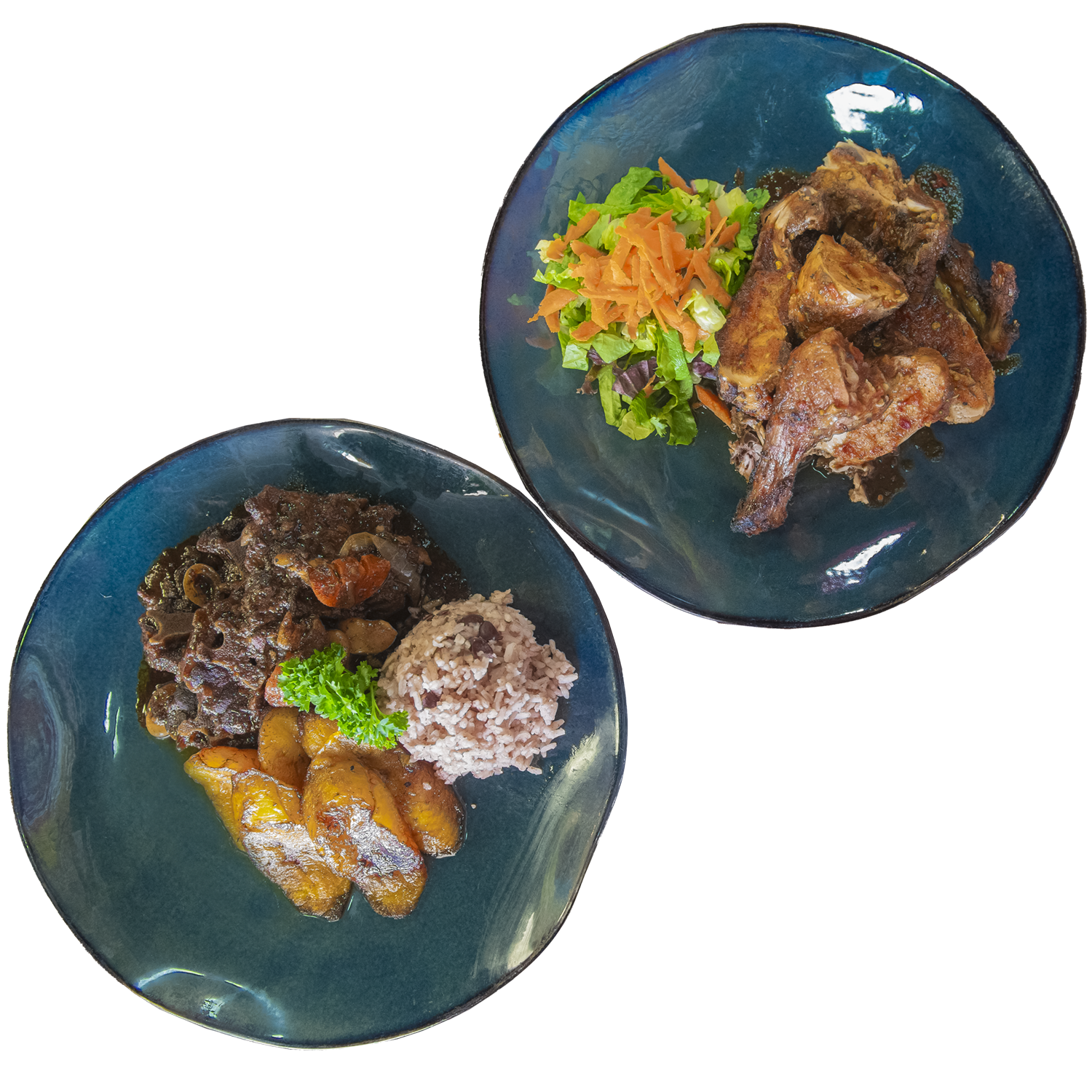
Finding truly homemade-style Jamaican food in Denver takes a little more intention than finding tacos, pho, or green chile. Denver has a broad restaurant scene, but Jamaican cooking still lives in a smaller lane here, and that changes how you should look for it. The best meals are not always in the most visible locations. They are often tucked into neighborhood storefronts, sold from compact takeout counters, offered through pop-ups, or cooked by owners who treat the menu less like a concept and more like an extension of home.
That distinction matters. Plenty of places can season chicken with jerk spice and put rice on the plate. That is not the same thing as the kind of food that tastes like somebody has been making it the same way for years, adjusting heat by instinct, simmering oxtail until the gravy turns glossy, and giving cabbage the same care as the meat. Homemade-style Jamaican cooking has patience in it. You can taste when the cook understands browning, layering, marinating, and resting, not just assembling.
If you are searching for the best Jamaican food Denver has to offer, the smartest move is to shift your expectations away from flashy interiors and broad menus. Focus on kitchens that do a smaller number of dishes well, especially staples such as jerk chicken, curry chicken, oxtail, stewed brown chicken, rice and peas, plantains, patties, and steamed cabbage. In Denver, those are usually the places with the deepest flavor and the strongest sense of identity.
What “homemade-style” actually means in Jamaican cooking
People use the phrase loosely, but in this context it has a real culinary meaning. Homemade-style Jamaican food should feel cooked through, not rushed. The seasoning should be built into the meat, not dusted on top at the end. Rice and peas should carry the flavor of coconut milk, thyme, scallion, and allspice, not just salt. Jerk should have heat, yes, but also smoke, sweetness, and depth from pimento and herbs. Curry should smell warm and rounded, not sharp and powdery.
The same standard applies to texture. Good oxtail should yield easily but still hold together. Curry goat should not be stringy or watery. Fried plantains should be caramelized at the edges, soft in the middle, and served at the stage of ripeness where sweetness balances the savory plate. Even the cabbage matters. At the best Jamaican kitchens, it is not an afterthought. It is tender, lightly seasoned, and there to cut the richness of the meat and gravy.
Homemade-style food also tends to come with a certain practical generosity. Portions are usually substantial. Containers feel heavy. Gravy is applied with confidence. The plate is designed to satisfy, not to pose for a photo. That does not mean every family-run Jamaican kitchen serves giant portions, but it does mean value usually shows up in flavor density and satiety, not in plating tricks.
Where Denver’s best Jamaican meals usually hide
In Denver, homemade-style Jamaican food is often found in modest settings. You may have better luck in strip malls, neighborhood commercial corridors, and cross-city takeout spots than in the central business district. This is true of a lot of regional cooking. Rent shapes menus. So does audience. Restaurants built for foot traffic near hotels often sand down the edges of a cuisine. Smaller independent spots farther out have more room to cook for regulars.
Aurora is worth attention for this reason. Its food scene is one of the metro area’s strongest for immigrant-owned and family-run businesses, and it often rewards diners willing to drive a bit farther. Parts of East Colfax, Havana, and nearby commercial pockets have become reliable territory for people looking for food with personality rather than branding. If you are serious about Jamaican food Denver locals return to repeatedly, Aurora should be part of your search.
South Denver and some west side pockets can also surprise you. The Caribbean food landscape in the metro area is not concentrated in one obvious district, which means discovery often happens through word of mouth. A place that looks quiet at 2:30 in the afternoon may suddenly be busy around dinner with people picking up brown stew chicken, patties, and sides to take home. That pattern is usually a good sign. Repeat local traffic matters more than online polish.
Food trucks and pop-ups deserve special attention too. In a smaller market, cooks often test demand this way before taking on the cost of a full restaurant. Some of the most memorable Caribbean food I have had in cities with emerging scenes came from temporary setups with limited menus and long waits. The trade-off is inconsistency in schedule, but the upside is focus. When a pop-up offers jerk chicken, curry goat, rice and peas, and plantains, and sells out in three hours, that usually tells you something.
How to judge a Jamaican restaurant before you order
Denver diners can save themselves some disappointment by reading menus carefully. A long menu is not always a good sign. Jamaican kitchens that feel homemade usually have a core set of dishes they can execute every day. If the menu tries to cover all of the Caribbean, plus generic American comfort food, plus seafood baskets, plus breakfast platters, the signal gets weaker. Breadth can dilute precision.
Look for evidence that the restaurant cares about traditional preparations. Oxtail on the menu is one clue, though price matters. Because oxtail has become expensive, a low price can suggest a small portion or uneven quality. Curry goat is another strong indicator if the kitchen does it well. Stew peas, ackee and saltfish, callaloo, or soup specials can also suggest a deeper connection to home cooking, though these are not always available daily in Denver.
Descriptions matter less than photos of actual food, if you can find recent ones. You want to see dark, richly colored jerk, not pale grilled chicken with seasoning sprinkled over it. You want gravy with body. You want rice and peas that look separate and fluffy, not compressed or dry. Those visual cues are imperfect, but they help.
Reviews can help too, though they require judgment. If regular customers mention the same strengths over and over, such as “the oxtail always hits” or “the patties sell out,” that is more useful than generic praise. I also pay attention when people complain that the food takes time. In Jamaican cooking, waiting is not automatically a flaw. Some dishes cannot be hurried without losing what makes them good.
The dishes that reveal whether a kitchen is the real thing
If you only order one item to evaluate a place, make it jerk chicken or oxtail, depending on what the restaurant is known for. Jerk chicken exposes shortcuts immediately. Weak versions taste like roasted chicken with spice rub. Strong versions have char, heat, allspice warmth, savory depth, and at least a trace of smoke. Even when made without a traditional jerk pan, a good kitchen can still produce balance and penetration of flavor.
Oxtail is the other truth teller. It should arrive in a dark, deeply seasoned gravy with enough richness to coat the rice without drowning it. The meat should be tender but not falling apart into mush. Beans are common in the gravy and belong there. If the dish tastes mostly salty or sweet, something went wrong. The best oxtail tastes layered and calm, even when the seasoning is intense.
Curry goat or curry chicken can be just as revealing. A proper curry should feel aromatic and full, with the spices toasted or bloomed into the dish rather than sitting raw on the tongue. Goat, when available, should taste gamey in a pleasant way but not harsh. Chicken should carry the curry into the bone and skin, not just the sauce.
Do not ignore the sides. Rice and peas can elevate or flatten the whole plate. Mac and cheese, if served, may reflect local adaptation rather than Jamaican tradition, which is fine, but it should still be cooked with care. Fried dumplings, coco bread, and patties show whether the kitchen pays attention beyond the mains. A flaky beef patty with a well-seasoned filling is often a stronger sign of a serious operation than a long online description ever will be.
Why the best Jamaican food in Denver is often takeout
Some cuisines translate beautifully to takeout, and Jamaican food is one of them. In fact, many dishes improve slightly after resting in their own heat for a short ride home. The gravy settles into the rice. The plantains soften. The aroma builds in the container. If you are expecting a white-tablecloth experience, you may miss some of Denver’s strongest Jamaican cooking because it often comes packaged for practical eating.
Takeout also reflects the way many people actually want this food. Jamaican meals are hearty, direct, and satisfying. They fit family dinners, late lunches, and next-day leftovers extremely well. If you find a spot that serves good oxtail or brown stew chicken, ordering extra rice and peas is rarely a mistake. Leftovers often hold up the https://www.behance.net/reggaepotdenver next day better than many restaurant meals in town.
There is another reason to embrace takeout. Some independent restaurants operate with small staffs, and service may be slower or less polished than at larger operations. That is not always a problem. If the kitchen is carrying the business, I care more about whether the cabbage is properly seasoned than whether someone asks me how my day is every five minutes. Hospitality matters, of course, but in food cultures built on labor-intensive cooking, the kitchen deserves the spotlight.
Timing matters more than many people realize
If you want homemade-style Jamaican food in Denver at its best, order when the kitchen is in rhythm. Late lunch through early dinner is often the sweet spot for prepared dishes like curry, stew chicken, and oxtail. Arrive too early and some items may not be ready. Arrive too late and the best trays may be gone, especially on weekends.
Friday through Sunday can be strong days for Jamaican cooking because demand rises and special items are more likely to appear. This is also when pop-ups and food truck appearances tend to happen. The downside is sellouts. Patties disappear fast. So does oxtail. If a restaurant has a reputation for one signature dish, assume others know that too.
Calling ahead is not a sign of overplanning. It is smart. Ask whether the item you want is available that day, whether jerk is fresh off the grill or held for service, and how spicy the kitchen runs. You will learn a lot from the answer. Restaurants that know their food usually answer these questions clearly and without fuss.
A note on spice, smoke, and regional expectation
Denver has a broad audience, and many restaurants adjust their seasoning accordingly. That means some Jamaican spots tone down heat for general appeal. This is not always a sign of weak cooking. Not every Jamaican dish is supposed to be extremely spicy. The issue is not raw heat. It is complexity. Scotch bonnet warmth should sit inside a fuller flavor picture that includes thyme, ginger, garlic, scallion, and pimento.
Smoke is another area where expectation and reality can clash. Traditional jerk cooked over pimento wood is hard to reproduce in many American restaurant settings, especially in cities where space, ventilation, and codes impose limits. So if a Denver kitchen lacks that exact old-school smoke profile, I do not write it off immediately. I care more about whether the cook understands the architecture of jerk. Do the sweet, savory, hot, herbal, and charred elements work together? If yes, the spirit of the dish is still intact.
This is where experience matters. Purism can become lazy criticism. A city does not need to replicate Kingston exactly to produce excellent Jamaican food. But it does need cooks who respect technique and flavor memory. The best Jamaican food Denver offers tends to come from people who adapt to local conditions without stripping the food of its backbone.
What Denver diners often get wrong
One common mistake is ordering only the safest item on the menu, then deciding the restaurant is average. If all you ever get is plain grilled chicken with a side of fries, you are not really testing a Jamaican kitchen. Order what requires time and intention. That is where skill shows itself.
Another mistake is judging a place too quickly based on decor or speed. Family-run spots often put their energy into the food first. Menus may be printed simply. Seating may be limited. Service may be direct rather than theatrical. None of that tells you whether the curry goat is excellent.
People also underestimate variability. Smaller restaurants can have off days, particularly when staffing is tight or ingredient quality shifts. A great Jamaican kitchen may produce a better plate on Saturday afternoon than Tuesday at 8:15 p.m. That is not unique to Denver, and it does not mean standards do not matter. It means you should judge thoughtfully. If a place is broadly respected, try it more than once before making a final call.
How to find the right spot without wasting money
Start by deciding what you care about most. If you want a full plate dinner with leftovers, focus on takeout restaurants and neighborhood spots known for oxtail, curry, or jerk platters. If you want the most exciting flavor, watch for pop-ups and limited menus, especially on weekends. If you want a quick handheld lunch, patties and coco bread are a lower-risk way to test a kitchen before committing to a larger order.
Social media can be more useful than review sites for this cuisine in Denver. Restaurants and vendors often post same-day trays, specials, and sold-out notices. That is far more practical than relying on old menu pages. Look for photos that show actual food from recent service, not just logos and promotional graphics. If a jerk pan is visible, even better.
It also helps to follow local Caribbean community pages, cultural event listings, and market announcements. Denver’s Jamaican and broader Caribbean food scene is not always fully captured by mainstream food media. Some of the most worthwhile plates surface at festivals, collaborative dinners, and church or community fundraisers. These are not always easy to plan around, but they are often where homemade style shows up most vividly.
The case for ordering beyond jerk
Jerk gets the attention because it is recognizable, and good jerk should absolutely be part of your search. But if you stop there, you miss much of what makes Jamaican cooking compelling. Brown stew chicken, for example, can be one of the most comforting dishes on the menu. It tends to be less aggressive than jerk but every bit as satisfying when done right, with browned skin, softened vegetables, and a sauce that tastes like time.
Curry goat is another dish that separates casual operators from serious ones. It requires patience, seasoning discipline, and confidence with texture. When it is done well, it carries a deep savory note that lingers longer than the brightest jerk plate. Steamed fish, soups, and breakfast items like ackee and saltfish can also reveal a kitchen’s range, though these are less commonly found every day in Denver.
Then there are the patties. People often treat patties as a side snack, but they can be a benchmark. The crust should be flaky and tender, with enough structure to hold together. The filling should be seasoned and moist without turning pasty. A great patty tells you the kitchen values fundamentals.
What makes a place worth returning to
A single good plate gets your attention. Consistency earns loyalty. The best homemade-style Jamaican spots in Denver are the ones where the food tastes cared for more often than not, where the seasoning remains confident, and where even simple sides feel intentional. You notice it over time. The rice is never an afterthought. The gravy stays balanced. The plantains arrive properly ripe. Somebody in that kitchen is paying attention.
Value matters too, especially with dishes like oxtail that have become expensive everywhere. A worthwhile restaurant does not have to be cheap, but it should make sense. If you are paying a premium, the portion, quality, and labor should justify it. In my experience, diners are usually happy to pay for Jamaican food when the flavor is honest and the portions reflect the effort behind the dish.
Atmosphere can seal the deal, but it is secondary. A warm greeting, reggae in the background, a patient explanation for first-time customers, these things help. Still, they cannot rescue bland food. Homemade-style Jamaican cooking wins on memory. You keep thinking about the sauce, the smoke, the tenderness, the way the cabbage cut through the richness, the way the leftovers were somehow even better the next day.
For anyone seriously chasing jamaican food denver diners can be proud of, the key is simple. Go where the cooking feels personal. Be willing to drive a little. Order the dishes that require time. Accept that the best plate may come in a takeout container, not a polished dining room. In a city where the Jamaican scene is still relatively compact, that approach will lead you to the meals that matter.
Reggae Pot Jamaican Grill
Address: 2243 S Monaco St Pkwy #104, Denver, CO 80222
Phone number: +17204102956
FAQ About Jamaican Food Denver
What is typical Jamaican food?
Typical Jamaican food features bold, vibrant flavors created by blending African, Taino, European, and Asian influences.
What is a famous Jamaican dish?
Ackee and saltfish is Jamaica's national dish, made by sautéing the soft local ackee fruit with salted cod, onions, tomatoes, and spicy Scotch bonnet peppers.
What food is most popular in Jamaica?
The most popular and famous food in Jamaica is Jerk Chicken, celebrated worldwide for its smoky, spicy flavor.
Corrections
Spot something wrong? Send it to the desk and it gets fixed in the open.