How to Build Layers of Flavor in Drunken Noodles
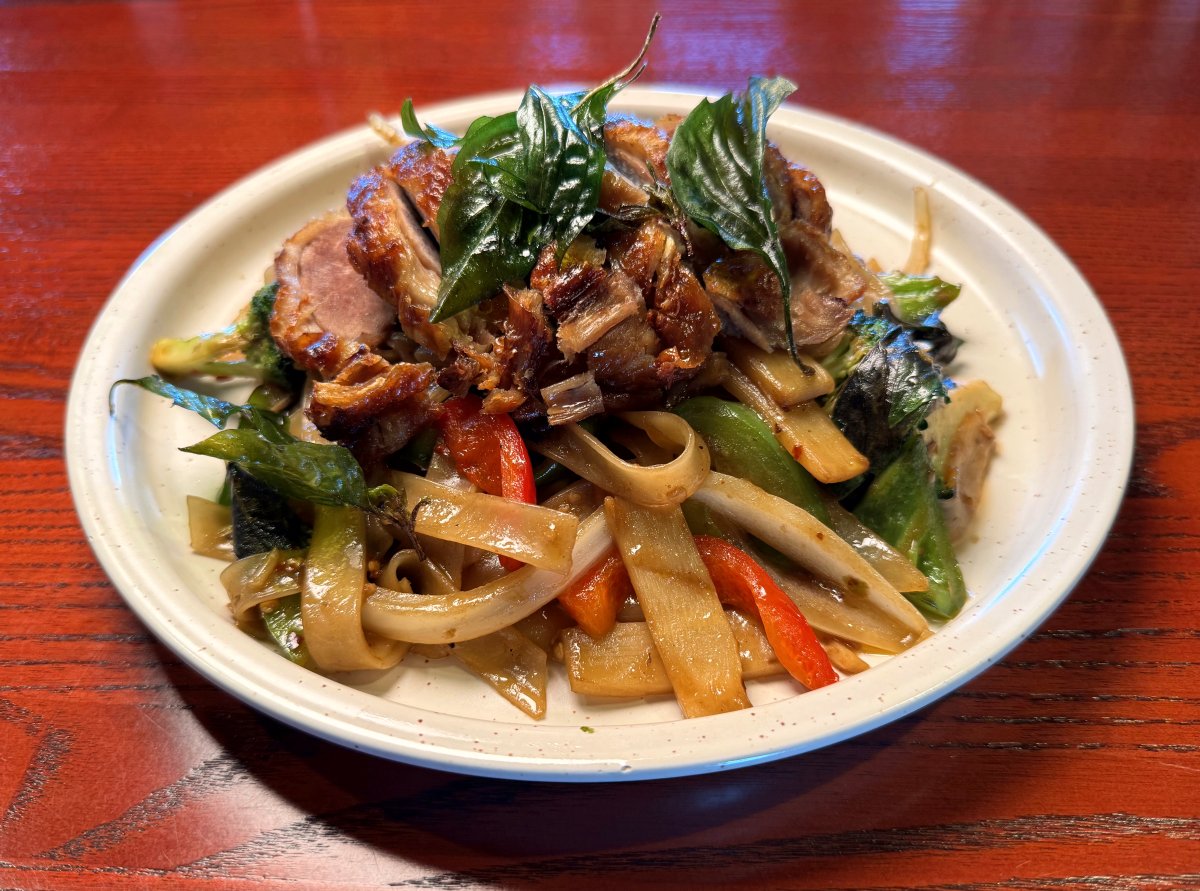
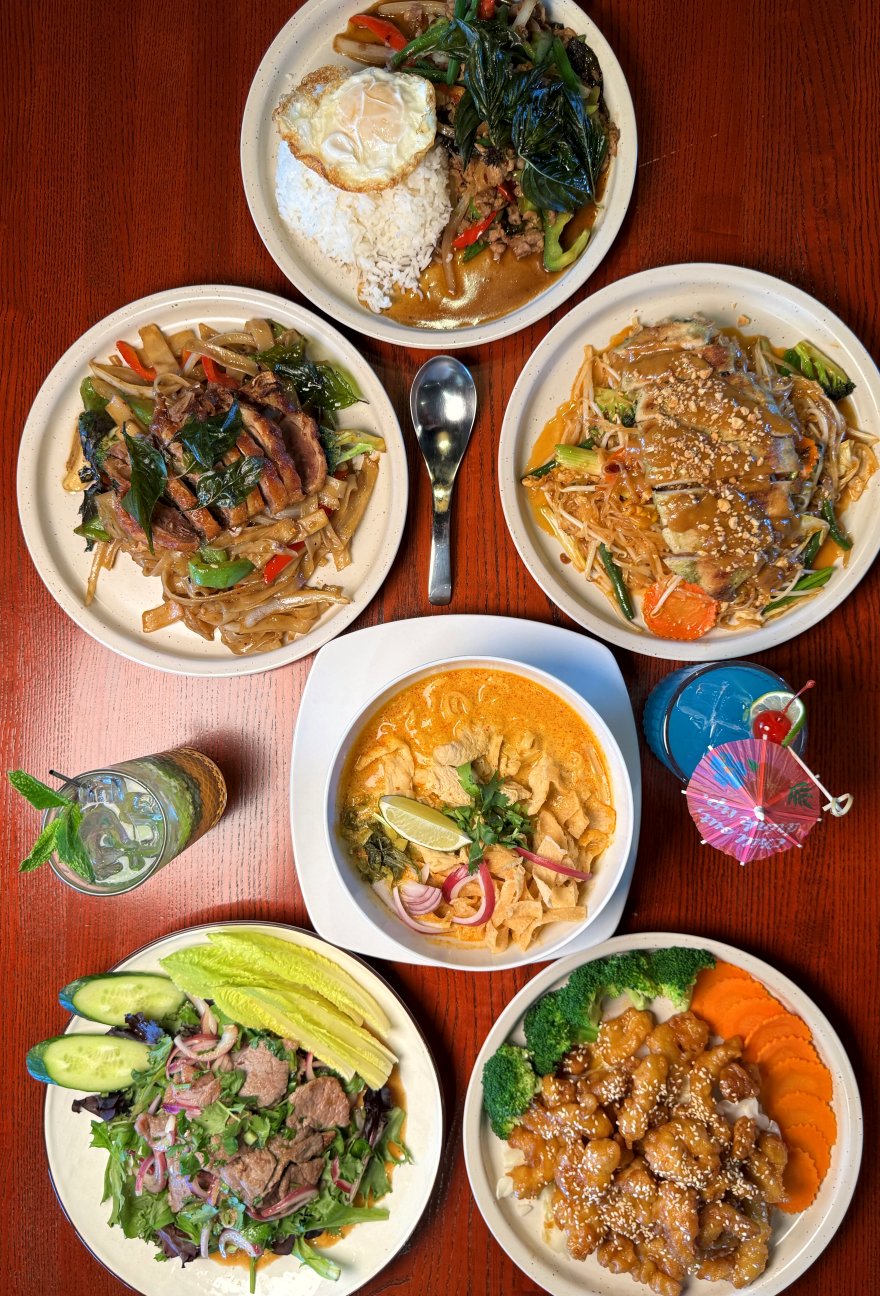
Drunken Noodles look unruly on the plate, and that is part of the appeal. Wide noodles tangle with glossy sauce, basil leaves wilt into the heat, and bits of char cling to vegetables and protein. The dish lands hard and fast, but the best versions are not one-note. They do not simply taste salty, or sweet, or spicy. They arrive in waves. First comes the aroma from garlic and chile, then the savory depth of sauce, then a quick lift from basil, then a little smoke from the pan, then the lingering warmth that makes you reach for another bite.
That complexity is not accidental. It comes from building flavor in stages and knowing what each stage is supposed to contribute. When Drunken Noodles fall flat, it is usually because everything goes into the pan at once and nothing has time to develop. The noodles may still be edible, even satisfying, but they will not have that layered, restaurant-quality taste that makes the dish memorable.
I have cooked versions of this dish in cramped home kitchens, on high-BTU restaurant burners, and on weak apartment stoves that could barely keep a skillet hot enough to sear an onion. The principles stay the same in every setting. You need a strong backbone of savory flavor, some sweetness to round the edges, enough heat to wake the dish up, freshness to keep it from tasting muddy, and proper pan management so the ingredients keep their identities instead of melting into a generic stir-fry.
The dish is louder than it looks
Drunken Noodles, often associated with Thai stir-fried rice noodles, can seem straightforward from a distance. Noodles, sauce, vegetables, basil, chile. Yet it is one of those dishes that reveals every shortcut. If the sauce is shallow, you taste it immediately. If the noodles are over-soaked, they turn pasty and mute the aromatics. If the basil goes in too early, its perfume disappears before it reaches the table. And if the pan is crowded, the dish steams instead of frying, which strips away the smoky edge that gives the best Drunken Noodles their character.
That is why layering matters so much here. In a braise or a soup, a little muddiness can hide behind long cooking. In a fast noodle stir-fry, there is nowhere to hide. Every flavor has to pull its weight.
Start with the sauce, but think in roles, not ingredients
Most home cooks begin by searching for the right sauce formula. That is useful, but formulas alone can be misleading because the same ingredient can behave differently depending on brand, concentration, and when it is added. It helps more to think in terms of roles.
A Drunken Noodles sauce usually needs these jobs covered:
- Salt and depth from soy sauce, oyster sauce, fish sauce, or a combination
- Sweetness from sugar, palm sugar, or a small amount of brown sugar
- Body and cling from oyster sauce or reduced liquid
- Sharpness and heat from fresh chiles and aromatics
- Fresh lift from basil, and sometimes a touch of white pepper
That balance is why a sauce made entirely from soy often tastes thin and harsh. Soy sauce brings salt and fermentation, but not enough roundness. Oyster sauce contributes sweetness and viscosity. Fish sauce adds a different kind of savory intensity, more pungent and more alive. Used carefully, it makes the dish taste fuller without shouting its name.
A practical home ratio for a pound of fresh rice noodles or around 10 to 12 ounces of dried wide rice noodles might land somewhere around 2 tablespoons oyster sauce, 1 to 1 1/2 tablespoons light soy sauce, 1 to 2 teaspoons fish sauce, and 1 to 2 teaspoons sugar. That is not a rule carved in stone. It is a starting point. Some oyster sauces are sweeter than others. Some soy sauces are saltier. A cook who uses a lot of salty preserved chiles will need less fish sauce. The point is not the exact number. The point is that the sauce should taste slightly too bold when sampled on its own, because the noodles will absorb and diffuse it.
One detail that separates a merely decent pan of noodles from an excellent one is dissolving the sugar before the stir-fry begins. A gritty, half-mixed sauce often lands unevenly. Some bites turn sharp and salty, others oddly sweet. Stirring the sauce until smooth takes maybe 20 seconds and saves the dish from tasting patchy.
Aromatics are not garnish, they are the first layer
Garlic and chile create the opening note of Drunken Noodles. If they are rushed, every other layer has to compensate. If they are scorched, the bitterness follows the entire dish. The sweet spot is fragrant and lightly toasted, just shy of dark brown.
This is where pan heat needs judgment. On a restaurant wok burner, chopped garlic can go from raw to bitter in a few seconds. On a home skillet, it has more margin, but it still needs attention. I prefer to start with oil shimmering, not smoking hard, then add garlic and chiles and stir just until the aroma blooms. You are not trying to brown them deeply at this stage. You are seasoning the oil and laying down a spicy perfume that will coat everything that follows.
Fresh bird's eye chiles are classic for sharp, clean heat, but the exact chile matters less than understanding its function. Dried crushed chile gives a different burn, slower and broader. Fresh red serranos can work well when bird's eye chiles are unavailable, though they tend to be a little greener in flavor. If you want heat without turning the dish into a dare, remove some seeds and pith, but keep enough chile in the pan to leave a real impression. Drunken Noodles without heat often taste heavy.
Protein should season the pan, not just occupy space
Chicken, beef, pork, shrimp, tofu, or no protein at all can all fit the dish, but they should do more than add bulk. Properly cooked protein leaves flavorful browned bits and rendered juices that enrich the noodles. Improperly cooked protein floods the pan and dilutes everything.
Thin slices of chicken thigh or beef work especially well because they cook quickly and pick up color before releasing too much moisture. Shrimp brings sweetness, but it can overcook in a flash, so it often belongs later in the process. Tofu rewards patience. If it goes in soft and wet, it breaks apart and turns bland. If it is pressed, seared, and seasoned lightly first, it contributes texture and absorbs sauce beautifully.
Marinating is optional, not mandatory. A brief marinade of soy and a touch of white pepper can help, but it is not always worth the risk of excess liquid. In a fast stir-fry, dryness is often your ally. Pat protein dry, season it lightly, and let the pan do some of the work. The goal is a little caramelization and concentration, not poaching.
One thing I learned the hard way is that crowding protein at the beginning can ruin the whole batch. If you pack too much meat into a modest pan, it steams, releases liquid, and cools the surface. Then the garlic softens instead of toasting, and the vegetables slump instead of blistering. Working in two quick batches feels slower, but it usually produces a better dish and often takes less time than trying to rescue a soggy pan.
The noodles have a narrow margin for error
Wide rice noodles are both forgiving and fussy. They can absorb strong flavors, which is helpful, but their texture changes fast. Slight undercooking can recover in the pan. Slight overcooking often cannot.
Fresh rice noodles, if you can find them, give Drunken Noodles a supple chew that is difficult to match with dried noodles. They also clump together and tear if handled cold. Letting them come closer to room temperature helps. If they are tightly stuck, a little gentle loosening with oiled hands can separate them without shredding.
Dried wide rice noodles are more common for home cooks. The main mistake is treating them like Italian pasta and boiling them until fully tender before stir-frying. For this dish, they should be soaked or cooked only until pliable with a bit of resistance. They need to finish in the sauce. If they enter the pan fully soft, they absorb too much liquid too quickly, fracture under stirring, and turn gummy.
The other mistake is failing to account for carryover softening. Once sauce hits hot noodles, they continue to relax. A noodle that seems a touch firm right after soaking may be perfect 90 seconds later. Experience helps, but so does tasting one strand before the stir-fry begins.
Vegetables need contrast, not equal treatment
A pan of Drunken Noodles becomes dull when every vegetable is cooked to the same texture. The best versions preserve contrast. Onion should have a little bite. Chinese broccoli, if using it, should keep its mineral snap. Bell pepper can stay bright and slightly crisp. Baby corn, if included, should remain distinct. The dish is richer when not everything collapses into softness.
Chinese broccoli is especially useful because it contributes bitterness and sturdiness, which counter the sweet-salty sauce. Broccoli florets are not the same substitute, though they can work in a pinch. Bok choy brings more water, which can dilute the stir-fry if the pan is not hot enough. Green beans can be excellent because they keep texture and char well.
This is where sequence matters. Dense stems can go in before leaves. Onion can hit the pan early enough to catch some color. Tender greens should enter later, when they only need a brief wilt. Every vegetable has its own water content and cooking time, and your pan capacity decides how much margin you have. A powerful wok can evaporate moisture fast. A 12-inch skillet on a home burner requires restraint. Fewer vegetables often produce a better result than a crowded medley.
Browning and char are a flavor layer of their own
Many people talk about wok hei, that smoky, elusive flavor associated with intense stir-frying. In a home kitchen, chasing a mythical restaurant flame can become a distraction. You may not reproduce true wok hei on an electric stove, and that is fine. You can still build a credible substitute for depth by creating localized browning and slight charring where it counts.
That means giving ingredients contact with hot metal and resisting the urge to stir constantly. Noodles, in particular, benefit from short moments of stillness. If they sit against the pan for 15 to 20 seconds before being tossed, they pick up caramelized edges. If they are moved nonstop, they heat through but never develop character.
This is also where sauce timing matters. Add the sauce too early and the pan floods before browning happens. Add it too late and the noodles do not absorb enough of it. The sweet spot is usually after the protein and sturdier vegetables have picked up some color, when the noodles are in the pan and ready to be coated quickly.
Basil is the high note, not an afterthought
Thai basil gives Drunken Noodles one of its most recognizable signatures. Its anise-like fragrance slices through the richness and ties the heat together. But it is fragile. If cooked too long, it fades into something merely leafy.
Add basil near the end, after the sauce has coated the noodles and the pan is almost done. The residual heat should wilt it just enough to release aroma while preserving freshness. A handful looks like a lot when it goes in and a lot less 20 seconds later, so do not be timid.
If Thai basil is unavailable, sweet basil can stand in, but the profile shifts. Sweet basil makes the dish taste more familiar in a Mediterranean sense, less peppery and less sharp. It can still be delicious, just not identical. In that case, a pinch of white pepper can help restore some of the missing lift.
The pan sequence that makes the flavors stack instead of blur
A successful plate of Drunken Noodles often comes down to order of operations. There is no single sacred sequence, but there is a logic that keeps layers distinct.
- Heat oil, bloom garlic and chiles briefly, then move immediately to protein so the aromatics do not burn
- Let the protein color before adding sturdier vegetables, giving each a chance to touch the pan
- Add noodles when the pan is still hot and relatively dry, then pour in the sauce and toss decisively
- Finish with tender greens and basil, then taste for final seasoning before serving
That sequence preserves top notes while allowing deeper ones to form underneath. It also explains why mise en place matters more here than in slower dishes. Once the heat starts, there is no time to search for a bottle cap or wash basil at the sink.
Adjusting on the fly is part of the craft
Recipes suggest confidence, but the actual dish demands flexibility. Noodles vary. Sauces vary. Heat output varies. A cook needs to read the pan.
If the noodles look dry and start sticking before the sauce has dispersed, add a tablespoon or two of water, not more soy sauce. Water can loosen and steam the noodles just enough to finish cooking. Extra soy can make the dish aggressively salty before it becomes properly glossy.
If the pan gets watery, the fix is different. Increase heat if possible, spread the noodles out, and give the moisture a chance to evaporate before adding basil. A small amount of liquid can be rescued. A pan swimming in sauce usually means too many ingredients or insufficient heat from the start.
Taste is the final checkpoint. Sometimes a dish needs half a teaspoon more fish sauce to wake up the savory backbone. Sometimes it needs a pinch of sugar because the chile is hitting too hard. Sometimes it needs nothing but a few more basil leaves. The best cooks do not cling to the original bowl of sauce once the noodles hit the pan. They pay attention to what is actually happening.
Where home cooks usually lose flavor
Most disappointing Drunken Noodles share a few patterns. The good news is that these are fixable.
- The pan is overloaded, so everything steams
- The noodles are too soft before they ever meet the sauce
- The sauce is salty but not layered, often because it relies on one condiment
- The basil goes in too early and vanishes
- The dish is underseasoned with heat, so it tastes heavy instead of lively
The first issue is the most common and the most important. If you are cooking for four on a standard home burner, making two smaller batches often produces a dramatic improvement. It feels less theatrical than tossing a mountain of noodles in one go, but the flavor is better and the texture survives.
A note on sweetness, because it is easy to overcorrect
People often fear sweetness in savory stir-fries, especially if they have had cloying takeout versions. But Drunken Noodles need some sweetness to function properly. Without it, the salt and chile can feel angular. The sweetness should not announce itself. It should round the corners and help the sauce glaze the noodles.
Palm sugar does this elegantly, bringing a subtle caramel note, but ordinary sugar works if used with restraint. I have seen cooks omit sugar entirely and then compensate by adding more oyster sauce, which can make the dish heavier and murkier. A teaspoon or two is usually enough to bring the sauce into focus.
Why final seasoning matters more than people think
Many stir-fries go straight from pan to plate without one last taste. That habit costs flavor. Wide noodles absorb sauce unevenly at first, and what tasted balanced in the mixing bowl may taste muted once distributed across the pan.
Take one bite before serving. If the heat is lively and the basil is fragrant but the center feels bland, a splash of fish sauce can restore depth. If the sauce feels too intense, a little water and a few seconds over https://maps.app.goo.gl/wEbpDYfz5VjY5inF9 high heat can rebalance it. If the dish tastes complete but lacks sparkle, the answer may simply be a handful of fresh basil torn over the top after plating.
That final adjustment is small, but it is often the difference between a dish that tastes assembled and one that tastes composed.
Building your own house version
Once you understand the layers, Drunken Noodles become more adaptable than they first appear. You can lean peppery and hot, or sweeter and rounder. You can make a seafood version with shrimp and squid, or a vegetarian version with mushrooms and tofu that still feels full-bodied. You can add more Chinese broccoli for bitterness or more onion for sweetness. The framework holds.
What should not change is the underlying architecture. Aromatics first, but not burned. Protein browned, not steamed. Noodles undercooked slightly before the pan. Sauce balanced across salty, sweet, and savory notes. Basil added late. Heat high enough to create concentration. Those are the layers that make the dish feel alive.
There is a particular satisfaction in getting Drunken Noodles right at home because the dish moves fast and exposes every decision. It rewards preparation, restraint, and confidence. When the flavors stack properly, the bowl tastes bigger than the sum of its parts. You get sweetness without syrup, heat without punishment, salt without harshness, and herbaceous lift without rawness. That is the whole point of layering flavor. Not to make the dish complicated, but to make each bite reveal something new before you go back for the next one.
Nakhon Luang Thai Kitchen
Address: 805 Village Center Dr, Colorado Springs, CO 80919
Phone number: +17195315175
FAQ About Drunken Noodles
What makes it drunken noodles?
Drunken noodles, or Pad Kee Mao, get their name from the Thai word khi mao (meaning "drunkard"). They contain no alcohol. The name comes from the idea that the dish is a popular late-night meal to cure a hangover or a great food to eat with a cold beer.
What is the difference between pad see ew and drunken noodles?
While both Pad See Ew and Drunken Noodles use the same wide rice noodles, Pad See Ew is a mild, sweet-savory dish made with dark soy sauce and Chinese broccoli, whereas Drunken Noodles (Pad Kee Mao) are fiery, garlicky, and herbaceous with fresh chilies and Thai basil.
What are traditional drunken noodles?
Traditional drunken noodles, known as Pad Kee Mao in Thai, are a fiery, savory street food stir-fry made with wide flat rice noodles, fresh garlic, lots of hot chilies, meat or tofu, and fragrant holy basil. Despite the name, they contain no alcohol; the dish is traditionally eaten late at night or as a hangover cure because the intense spice helps clear the head.
Corrections
Spot something wrong? Send it to the desk and it gets fixed in the open.